
1. Gabatarwa
The Fartools One TME 150-200 Bench Grinder is a versatile power tool designed for grinding, sharpening, and honing various tools and materials. This manual provides essential information for the safe and efficient operation, setup, and maintenance of your bench grinder. Please read all instructions carefully before use.
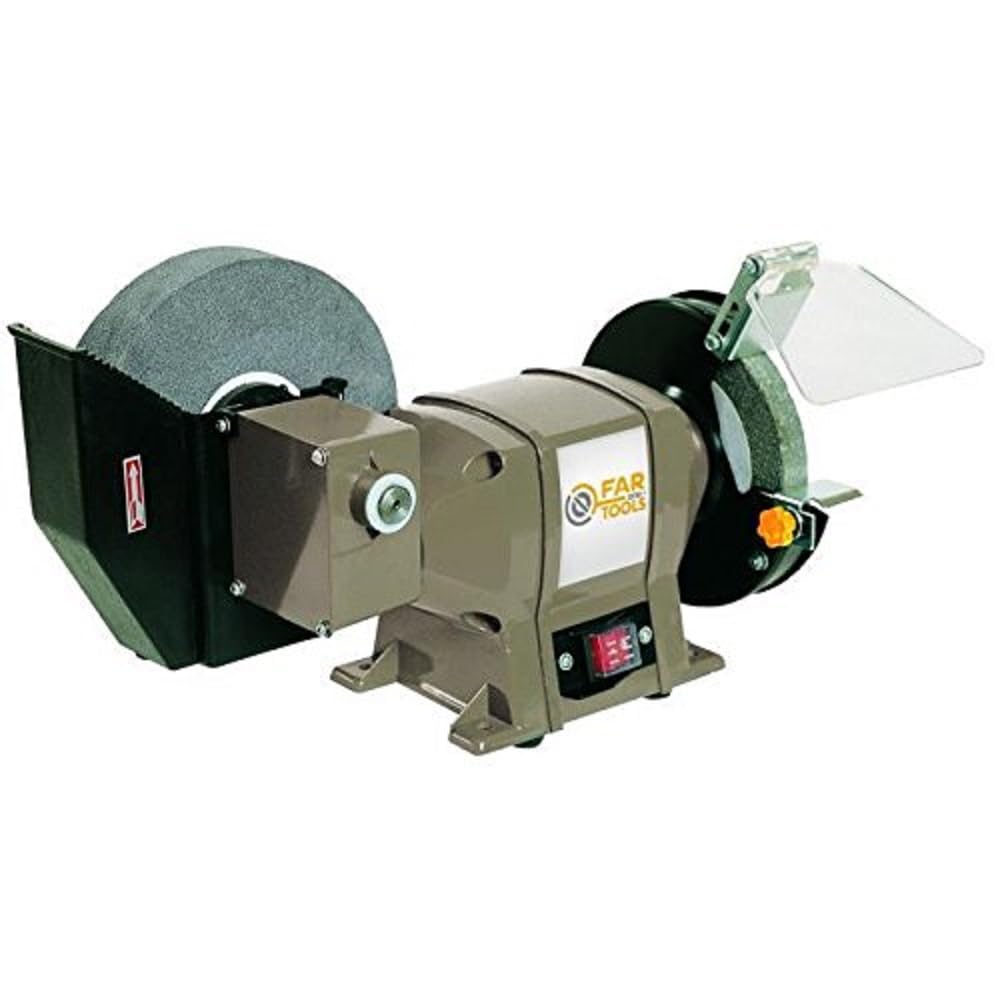
Image 1.1: Fartools One TME 150-200 Bench Grinder. This image shows the complete bench grinder unit with its two grinding wheels, motor housing, and spark guards.
2. Umarnin Tsaro
Always follow basic safety precautions to reduce the risk of fire, electric shock, and personal injury when operating this tool.
- Kariyar Ido: Always wear safety goggles or a face shield to protect against flying debris and sparks.
- Kula da Tsaftace Wurin Aiki: Cluttered areas invite accidents. Keep your work area well-lit and free from obstructions.
- Tabbatar da Kayan Aiki: Always hold the workpiece firmly against the tool rest. Never grind freehand.
- Inspect Grinding Wheels: Before each use, check grinding wheels for cracks, chips, or other damage. Replace damaged wheels immediately.
- Use Spark Guards: Ensure the polycarbonate spark guards are properly positioned and adjusted to deflect sparks away from your face and body.
- Unplug Before Adjustments: Always disconnect the grinder from the power source before changing accessories, making adjustments, or performing maintenance.
- Guji wuce gona da iri: Kula da ƙafar ƙafa da daidaito a kowane lokaci.
- Do Not Force the Tool: Allow the grinder to work at its own pace. Forcing it can lead to injury or damage to the tool.
3. Abubuwan da aka gyara da fasali
Familiarize yourself with the main parts of your Fartools One TME 150-200 Bench Grinder:
- Gidajen Motoci: Contains the 250W electric motor.
- Dabarun Niƙa: Two wheels are included: one 200 x 20 x 40 mm wheel (typically for wet grinding) and one 150 x 12.7 x 20 mm wheel (typically for dry grinding).
- Spark Guards: Adjustable polycarbonate shields to protect against sparks and debris.
- Ma'ajiyar Kayan Aiki: Adjustable supports for holding workpieces during grinding.
- Canjin Wuta: On/Off control for the motor.
- Tushen: Provides stability and mounting points for securing the grinder to a workbench.

Hoto 3.1: Rufewa view of the Fartools Bench Grinder, highlighting the grinding wheel and protective shield.
4. Saita
Follow these steps to set up your bench grinder for first use:
- Shirya: Carefully remove all components from the packaging. Check for any shipping damage.
- hawa: Securely bolt the grinder to a sturdy workbench using appropriate fasteners. Ensure the workbench is stable and can support the weight and vibrations of the grinder.
- Attach Spark Guards: Install the polycarbonate spark guards over each grinding wheel. Adjust them so they provide maximum protection without interfering with the grinding process.
- Install Tool Rests: Attach the tool rests in front of each grinding wheel. Adjust the gap between the tool rest and the grinding wheel to be no more than 1.5 mm (1/16 inch). This minimizes the risk of the workpiece getting caught.
- Wet Wheel Preparation (if applicable): If your model includes a wet grinding wheel, fill the water reservoir to the recommended level with clean water.
- Haɗin Wuta: Connect the grinder's power cord to a suitable grounded electrical outlet. Ensure the voltage matches the grinder's requirements.
5. Umarnin Aiki
Before operating, ensure all safety instructions are understood and followed.
- Kunna Wuta: Flip the power switch to the 'ON' position. Allow the grinding wheels to reach full speed before beginning work.
- Adjust Tool Rests: Ensure the tool rests are adjusted to the correct angle for the item being ground and are close to the wheel (max 1.5 mm gap).
- Dabarar Nika: Hold the workpiece firmly against the tool rest and gently bring it into contact with the rotating grinding wheel. Apply light, even pressure. Move the workpiece slowly and consistently across the face of the wheel to ensure even wear and prevent grooving.
- Using Different Wheels: The coarser wheel (larger grit) is for rapid material removal and rough shaping. The finer wheel (smaller grit) is for sharpening, finishing, and honing. The wet wheel, if present, is ideal for sharpening tools that require a cooler grinding process to prevent overheating and loss of temper.
- Sanyaya: For dry grinding, periodically cool the workpiece in water to prevent overheating. For wet grinding, ensure the water reservoir is adequately filled.
- Kashe Wuta: When finished, turn the power switch to the 'OFF' position and wait for the wheels to come to a complete stop before leaving the machine.
6. Kulawa
Regular maintenance ensures optimal performance and extends the life of your bench grinder.
- Tsaftacewa: Regularly clean dust and debris from the motor housing and around the grinding wheels. Use compressed air if available. Always unplug the grinder before cleaning.
- Grinding Wheel Dressing: Over time, grinding wheels can become glazed or out of round. Use a wheel dresser to restore the wheel's cutting surface and true its shape.
- Sauya Dabarun Niƙa: Replace grinding wheels when they become too small (worn down to approximately 1/3 of their original diameter) or if they are cracked or damaged. Follow the manufacturer's instructions for safe wheel replacement.
- Daidaita Hutu na Kayan Aiki: Periodically check and adjust the tool rests to maintain the correct gap from the grinding wheels.
- Duban Igiyar Wuta: Duba igiyar wutar lantarki don ganin duk wata alama ta lalacewa, yankewa, ko ɓarkewa. Sauya idan ya lalace.
- Wet Wheel Reservoir: For models with a wet wheel, regularly clean the water reservoir to prevent sludge buildup.
7. Shirya matsala
Koma zuwa wannan sashe don batutuwan gama gari da mafitarsu.
| Matsala | Dalili mai yiwuwa | Magani |
|---|---|---|
| Mai niƙa ba ya farawa | Babu wutar lantarki; Canjin da ba daidai ba; Matsalar mota | Check power cord and outlet; Test power switch; Consult qualified service personnel. |
| Yawan girgiza | Loose mounting bolts; Unbalanced grinding wheel; Damaged wheel | Tighten mounting bolts; Dress or replace grinding wheel; Ensure wheel is properly secured. |
| Ineffective grinding / Glazed wheel | Wheel is clogged with material; Wheel is worn or glazed | Use a wheel dresser to clean and sharpen the wheel's surface. |
| Wet grinding wheel not turning | Plastic gear for wet wheel drive is worn or damaged | Inspect the drive mechanism for the wet wheel. If a plastic gear is damaged, it may need replacement. Contact customer support for parts. |
8. Ƙayyadaddun bayanai
- Alamar: Fartools
- Lambar Samfura: 110150
- Ƙarfi: 250 Watts
- Nauyin Abu: 19.84 fam (kimanin 9 kg)
- Tushen wutar lantarki: Wutar Lantarki
- Material (Spark Guards): Polycarbonate
- Grinding Wheel 1 Dimensions: 200 x 20 x 40 mm
- Grinding Wheel 2 Dimensions: 150 x 12.7 x 20 mm
9. Garanti da Tallafawa
This Fartools One TME 150-200 Bench Grinder comes with a Garanti na masana'anta na shekara 1 daga ranar sayayya. Wannan garantin yana ɗaukar lahani a cikin kayan aiki da aiki ƙarƙashin amfani na yau da kullun.
For warranty claims, technical support, or to inquire about replacement parts, please contact Fartools customer service through their official website or your retailer. Keep your proof of purchase for warranty validation.